Hurricane-Proof Landscape Design: What Actually Survives A Florida Storm
I know what most homeowners are secretly after when they start looking for hurricane-proof landscape design. They want a guarantee. Something they can plant and build that laughs off a Category 5 and lets them skip the worry every June as everyone else goes running for sandbags.
I understand the instinct, but I'd be lying if I said such a thing exists.
Nothing is hurricane-proof. There are no guarantees against the forces of nature, and anyone promising otherwise is selling you something.
Why write an article about hurricane-proof landscape design, then? Well, there's a lot to unpack around this conversation, and maybe, just maybe, there's an insight to gain.
So here's what thirty years on the Gulf Coast has taught me instead. Look at what is still standing after a century of storms: the old live oaks that have taken hit after hit and never moved, and a pattern shows up fast. The things that last here are native, deep-rooted, and built to bend. That pattern is the whole foundation of real storm-resistant landscape design.
Let's see what else we can understand.
What Has Already Survived A Hundred Years Of Storms
Florida has been running this experiment for us for a very long time. The trees that take a hurricane and stay rooted are the deep, dense, flexible ones: live oak, sabal palm, southern magnolia, gumbo limbo, bald cypress (among others).
They bend when the wind leans on them and spring back. The ones that snap, uproot, and end up on a roof are the brittle and shallow-rooted species: laurel oak, queen palm, the fast imports developers love because they fill a site in quickly and look just like the brochure the sales team created to get people to commit to pre-sales.
Knowing what's a mistake and knowing what lasts is the difference between cleanup and catastrophe. That's where hurricane-proof landscape design really begins, not with some magical trick or design theory, but simply with the species that were going to make it anyway.
Trees Survive In Community, Not In Rows
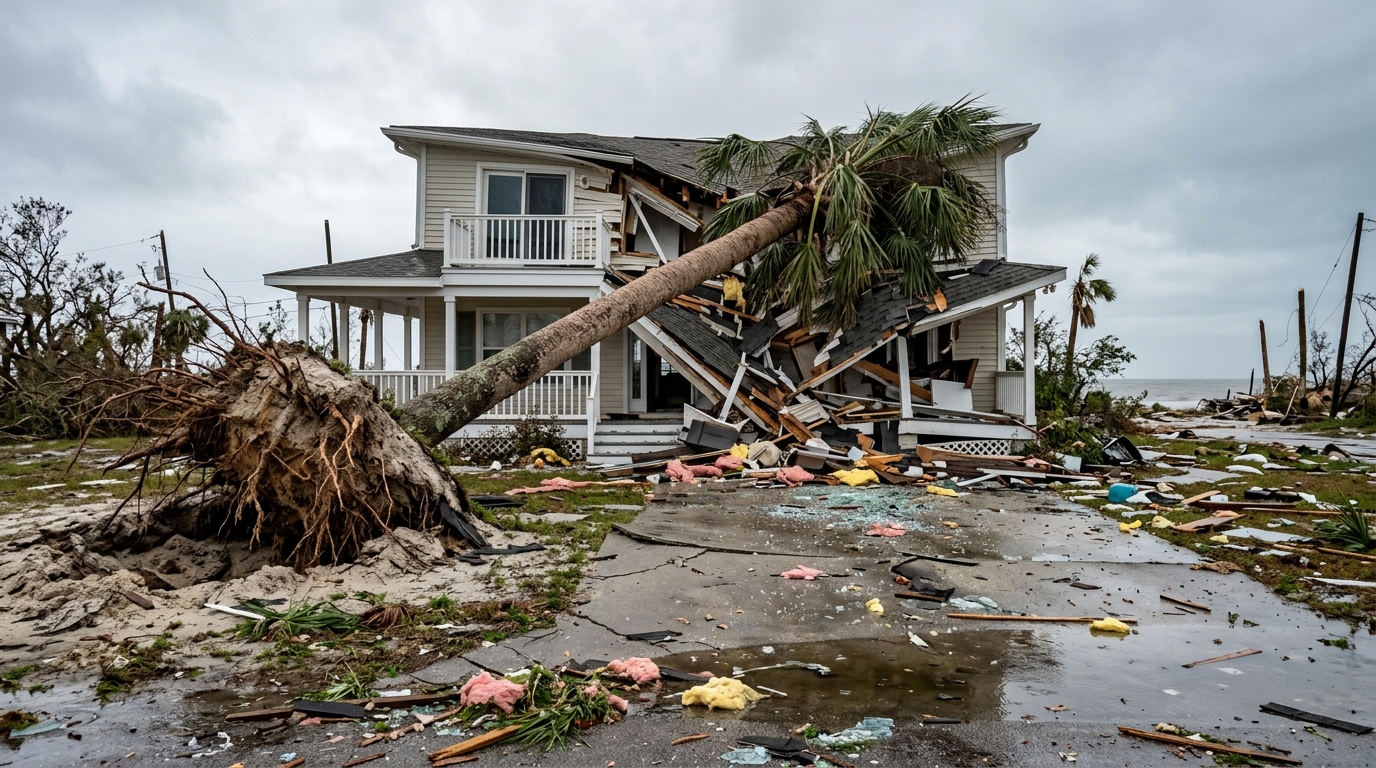
Homeowners move in. They check the bylaws and think "Florida. Palm tree," then bam: A lone Royal Palm is proudly staked into the ground… awaiting its first hurricane season and an opportunity to say hello to its owners when it makes an unexpected entrance into the great room sometime in August or September.
Now, that's not just experience talking.
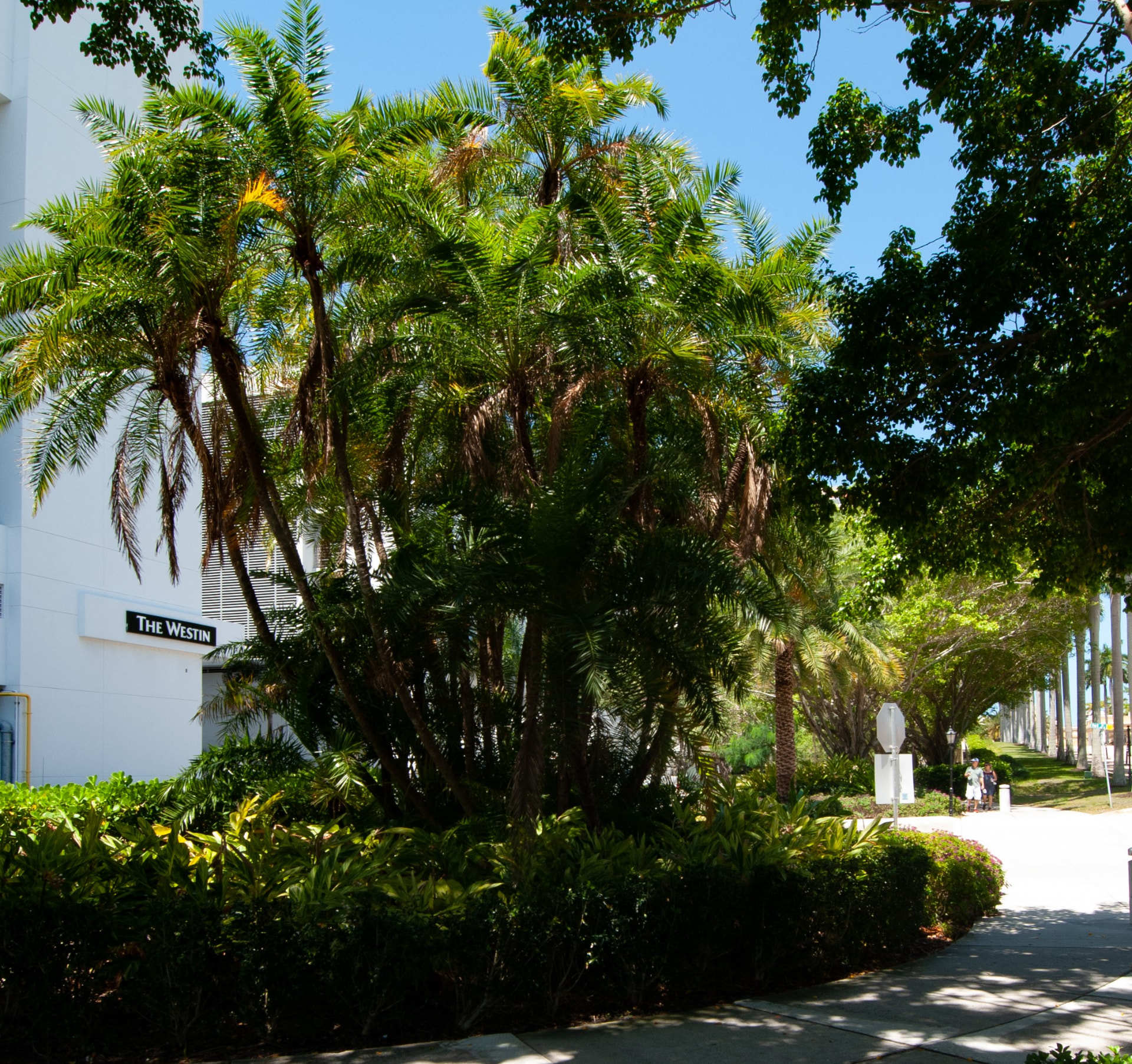
A University of Florida study found that trees planted in groups survived hurricane winds about ten percent more often than trees standing alone. If you read the study, by "group," they mean five or more within about ten feet of each other, and not lined up in a tidy row. They shelter one another and share the load.
The lone showpiece tree marooned in the middle of a lawn is usually the one that comes down. Now, palm trees are heavy. They've got a keel. Almost all of the weight is on the bottom so even the tallest, latest-planted tree is designed by nature to survive - but without careful consideration - could become counter to hurricane-proof landscape design - even with the best intentions.
Keep the big ones at least fifteen feet off the house (and clear of power lines while you're at it).
The Part Most People Forget Is The Water
"But you JUST said palm trees are heavy at the bottom!"
Yes… I did. But wind isn't the only factor.
Even though we had a mild hurricane season this year, Isaias sent a surge of water to the west coast of Florida and the downed trees you're seeing in Manasota Key are due to the ground getting washed away.
Heavy is good. But if there's nothing for that weight to hold…
That said, this is where design beats a plant list, and it's the part a landscaper selling you hurricane-proof landscape design at the garden center will never mention. Grading, swales and berms, French drains, permeable pavers, and retaining walls can steer water toward the drains instead of your foundation.
Good storm-resistant landscape design is a drainage plan as much as a planting plan, and it's the reason this work belongs to a licensed landscape architect and not a mower crew.
Resilience Is Maintained, Not Installed Once
The next thing you learn shopping the aisles at Lowe's for hurricane-proof landscape design features is that none of it matters if the yard isn't kept ready. A storm-ready landscape stays that way on purpose. Structural pruning and canopy thinning before the season starts, dead and weak limbs taken out before the wind finds them, the root flare kept visible, tree health checked every spring.
This is the part most firms skip because they're gone the day the plans are stamped. We stay in the field, which means we catch the hazard limb in April instead of watching it come through a window in September.
Our clients take great comfort knowing that our eyes are always watching and we're on top of the crews whose hands are responsible for keeping things safe.
When You Don't Have Hurricane-Proof Landscape Design…
Ok. So maybe you just got here. You've read this article, and it's July. Don't look out the window wondering if your natural environment is built to take a hit. Here's a quick guide with actions you can take to secure property when a storm is actually on the way.
This effort will take about an hour of attention:
- Bring in or anchor anything that can fly: furniture, pots, light decor, the grill
- Turn tables on their side, stack and weigh down chairs, sandbag what has to stay
- Clear gutters, downspouts, and storm drains so the rain has somewhere to go
- Cover and weigh down pool equipment, and secure the propane tank outside
- Cut back dead or broken branches before the wind does it for you
- Move container plants to a sheltered spot against the house
- Keep your eye on county alerts as they make self-service sand and other resources available
Build With What Already Survives
No one can make your landscape hurricane-proof, because nothing is. What we can do is design with what this coast has already proven over a hundred years, so that after a storm passes you're raking up some small debris instead of replacing everything you planted.
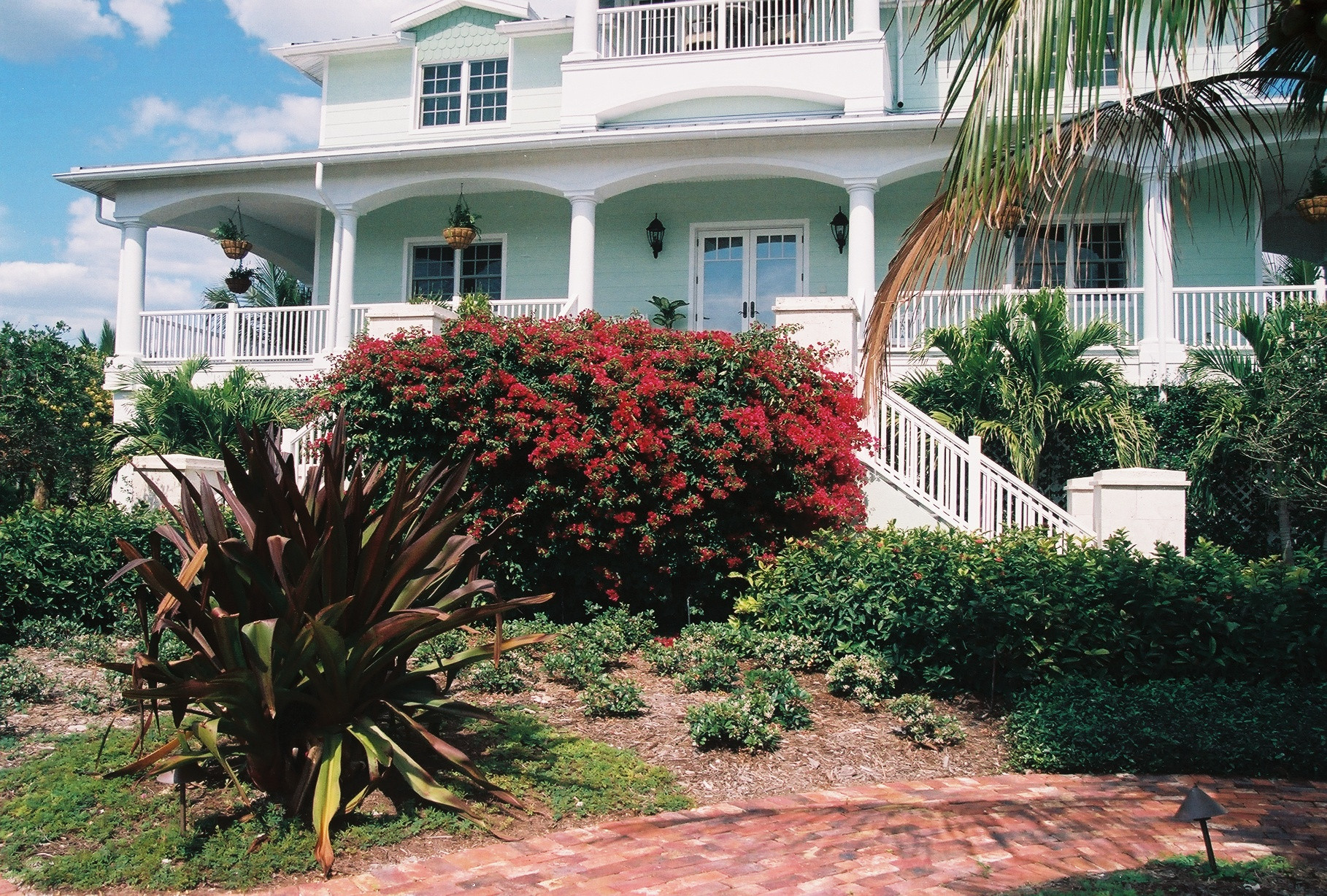
SWSLA builds with Florida, not on top of it, because Florida already knows how to survive its own weather. If you want a landscape built to take what this place throws at it, start the conversation with us, or explore our work and see what still stands and what we can develop for your piece of paradise.
More Field Notes
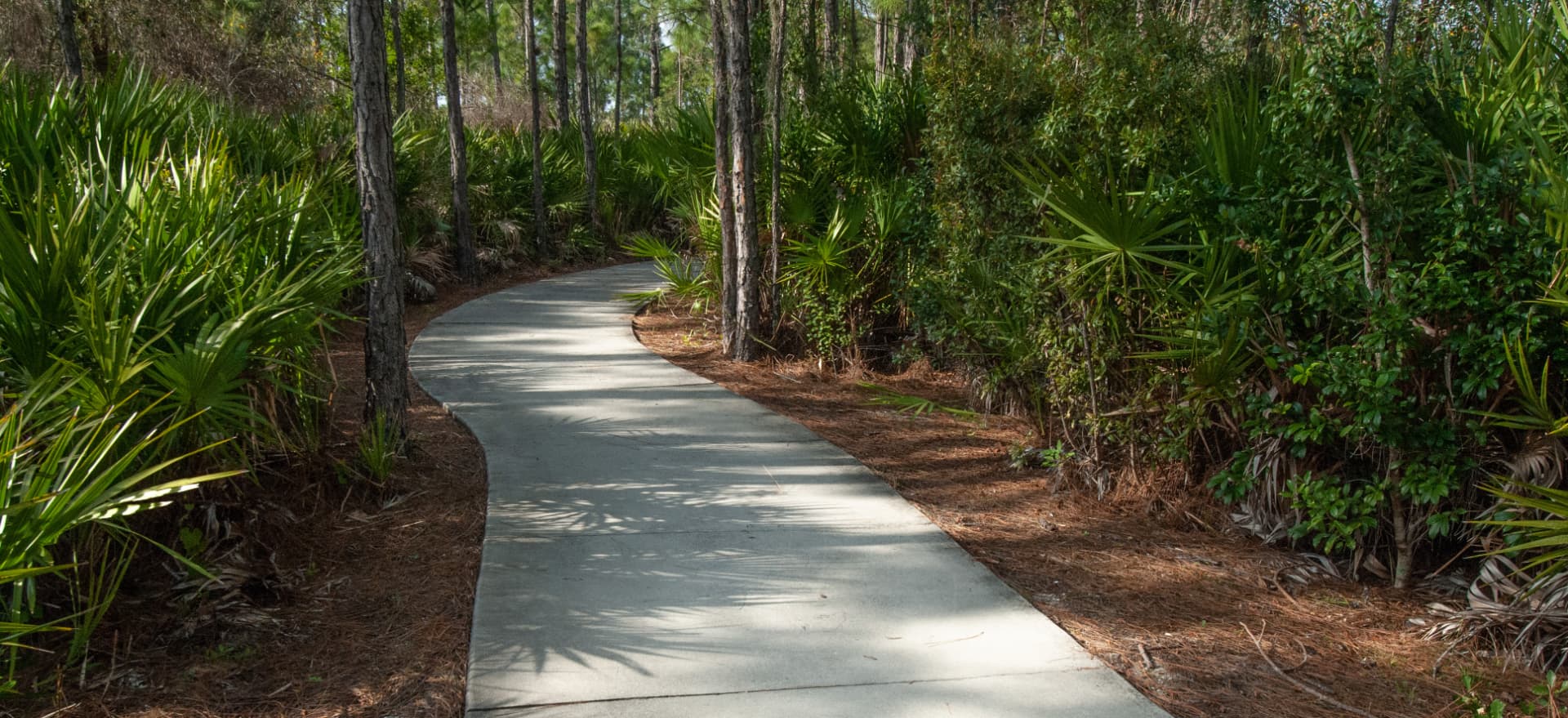
Why Hardscape Design Is Really Half The Landscape
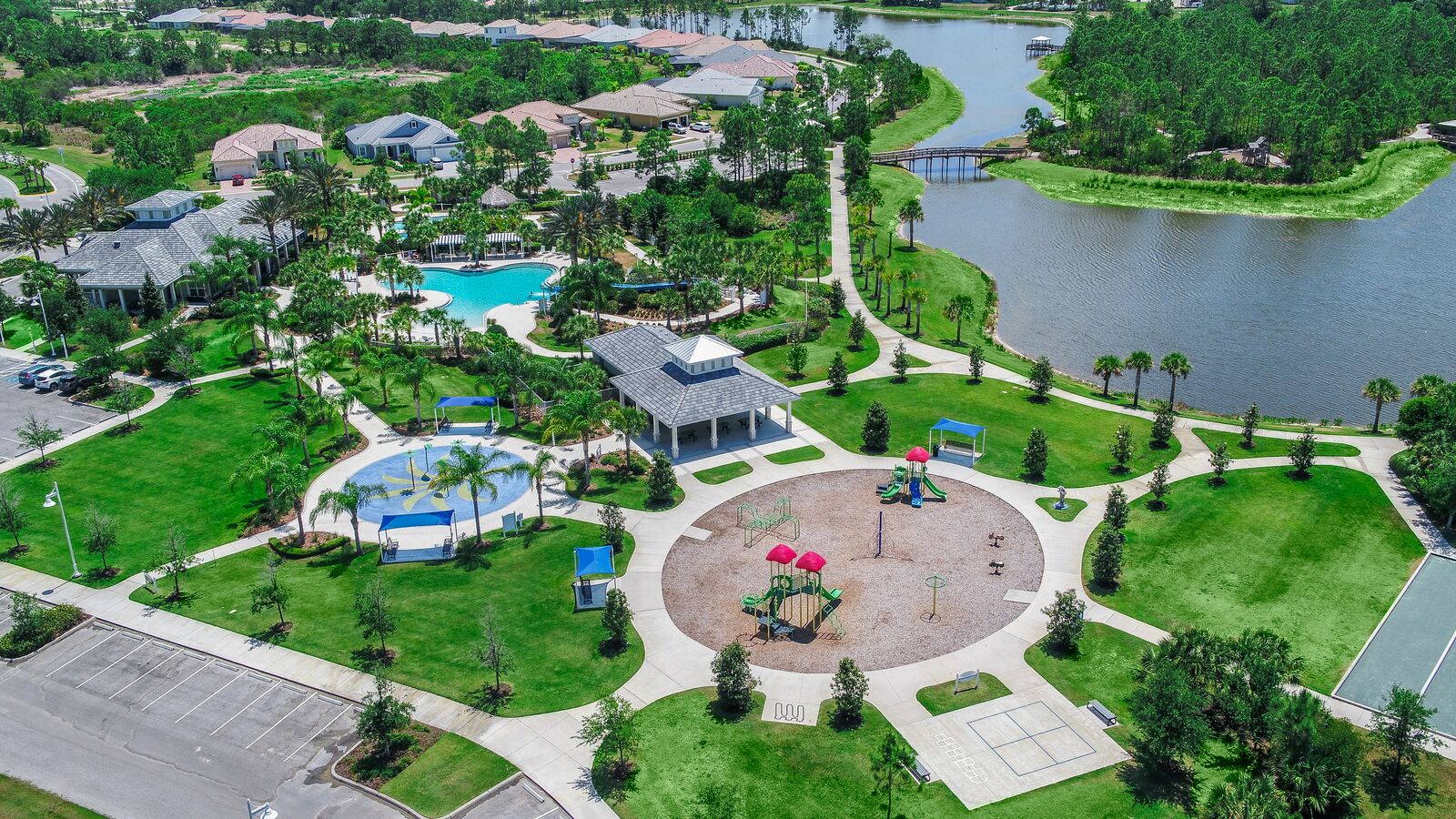
Why Amenity Center Design Makes or Breaks Your Community
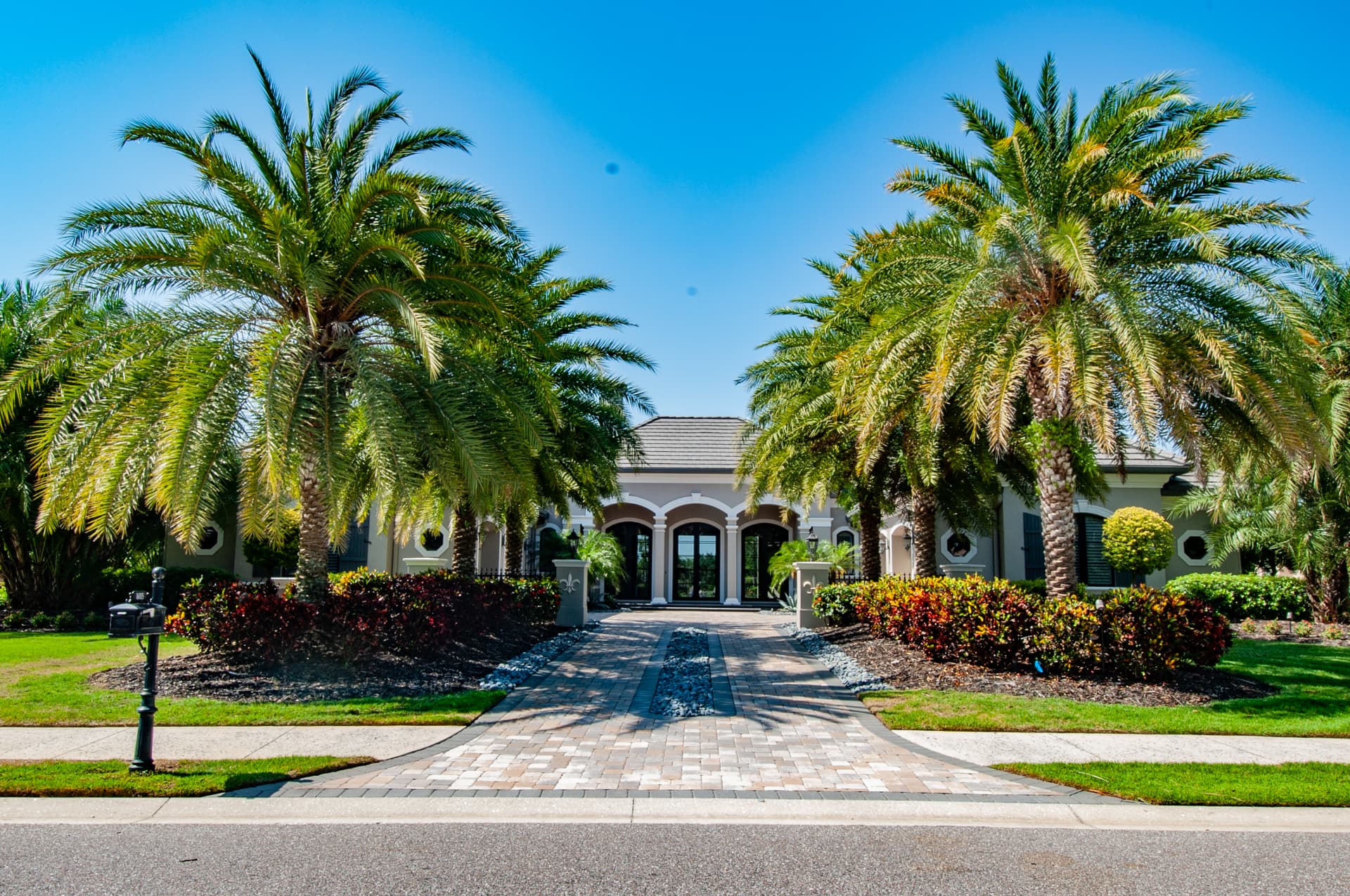
5 Essential Benefits Of Working With A Community Landscape Designer
How a Land Planner Reads Like a Landscape Architect
Planting Architecture & Elevations: Where Vision Meets Vegetation