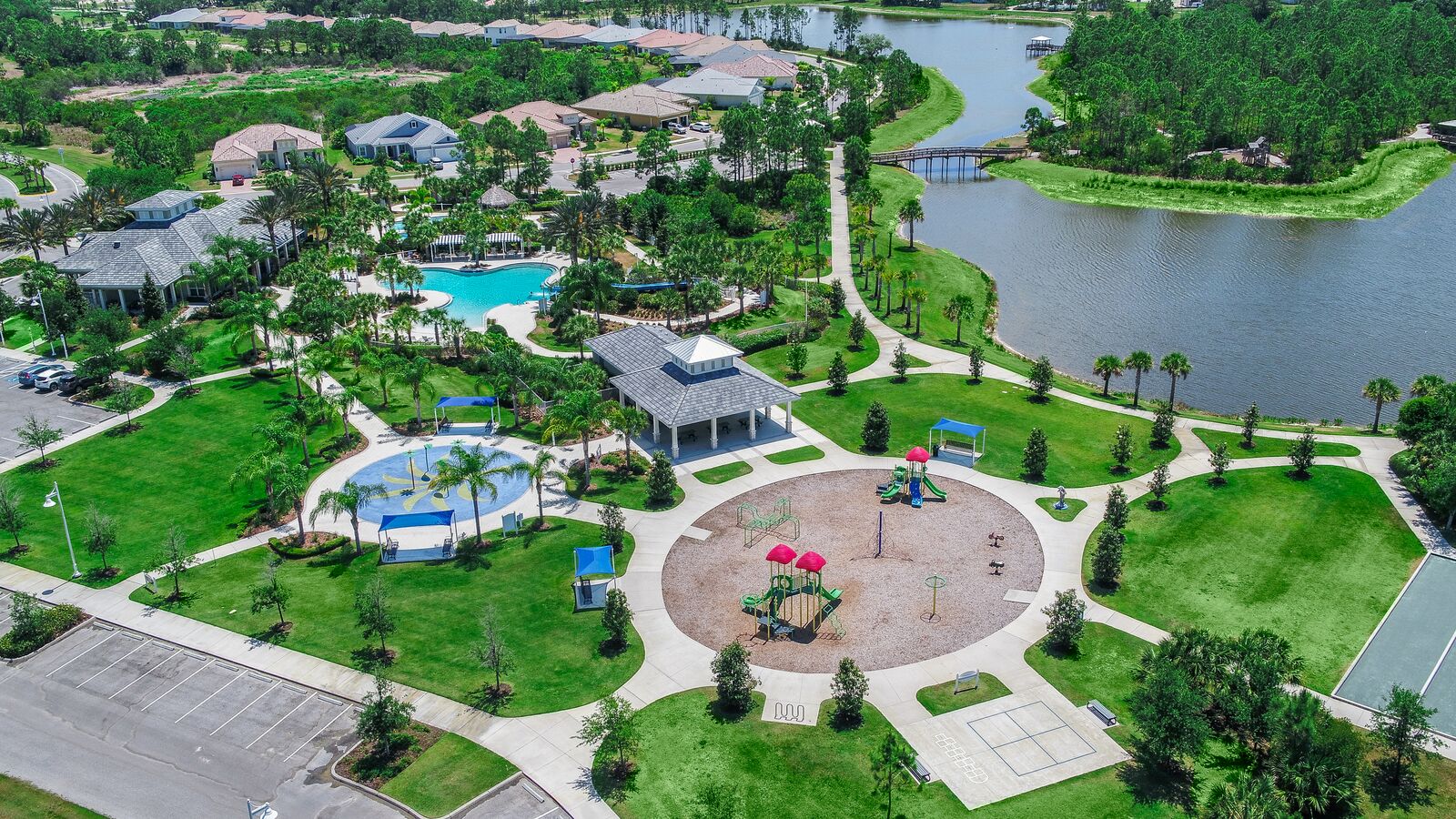
Why Amenity Center Design Makes or Breaks Your Community
Quick story: a new residential landscape architecture client of ours had a lot to say about their barren lot in comparison to a community they "almost" bought in.
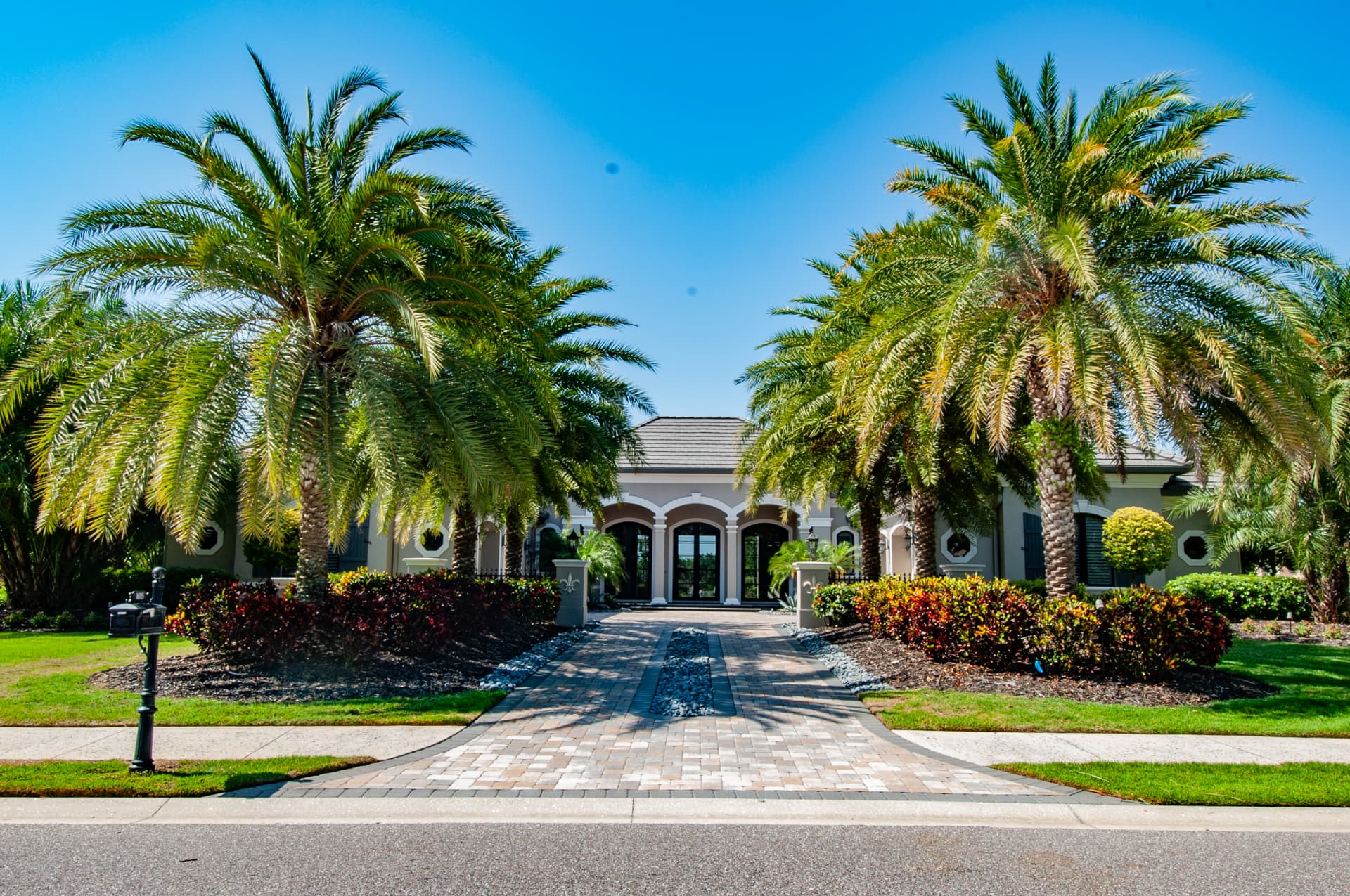
They live in Palmer Ranch and have a really nice two-story home to raise their family. On the outside, one code-minimum tree (that they call the "Charlie Brown Christmas Tree") and a bunch of cocoplum next to the front door. All that for mid-six-figures. Yeesh.
It won't stay that way for long now that they've got our help and we understand their vision for the property. But in listening to their purchase experience, they brought up an issue all too prevalent in Florida right now: amenity center design (or lack thereof).
They settled in Palmer Ranch mostly because it was closer to where their kids' activities are.
Totally understandable.
But you should have heard their remorse leaving behind another master-planned community. Not because of its location. Not because of the architecture for each model. But because of the amenity center!
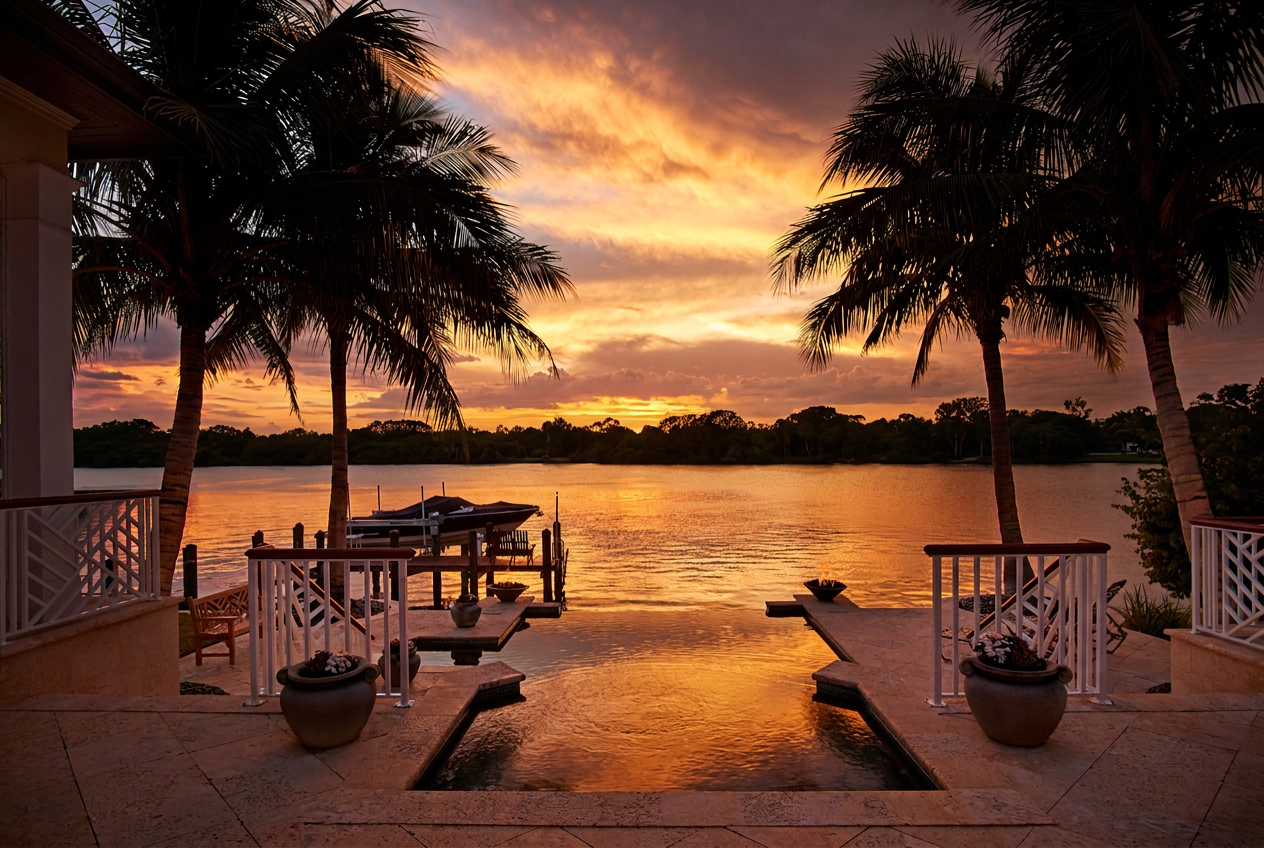
You should have heard them gushing over the details, large and small: the self-serve espresso machine, the world-class gym, the screening room, the billiards area, the zero-entry pool that was more like a lagoon (it's almost as if they were referring to something we designed). This place sounded like the ultimate resort-style escape.
And what kind of "amenity center" did they get at this particular Palmer Ranch community? The exact opposite. A gated entrance to a pool no one uses. A splash pad that was out of order (I checked as I was leaving). A gym no bigger (or better organized) than a shipping container, and a community barbecue that was already showing signs of weather-wear from poor coverage.
Total disappointment.
As a developer, you've got to take stock of this customer reaction. This family bought purely because of location, not because they were raving fans. They go to sleep thinking about that other community and when sales matter — that's exactly what you want.
In this article, we'll talk about the importance of amenity center design. What it means for your developer brand, what it says about the community, and how it can revolutionize the daily experience of the people who use it!
The Amenity Center Is Your Best Closing Tool
Every model home you build is a promise. The amenity center is how you keep it.
That Palmer Ranch family didn't leave the other community over floor plans. They left it behind due to location, but carried it with them in their hearts and they're trying to recreate that out of pocket on their current lot.
The amenity center did that.
World-class amenity center design is the emotional close on the entire community, the moment a tour turns someone into a raving fan (or a shrug and a signature).
Yes, you can argue that amazing amenity center didn't close the deal for that family, but think about what it actually did: It became the standard that their current developer hasn't lived up to.
And that's a shame.
Remember, too, that community center design is social design first. It is where neighbors actually meet, so it has to work for people, not just photograph well for the brochure.
Get it right and you sell a lifestyle. Get it wrong and you have an eye-sore that residents resent instead of celebrate.
The best developers care about the homeowner.
Think Beyond "Amenities." Think About Identity.
Most people think amenity center design is a pool deck, some pavers, and a plant order. It is not.
Another quick story: we help our developer clients build branded communities and they stay with us for decades. Recently, one of our legacy clients brought us on to a new project where the assignment wasn't "pick some palms."
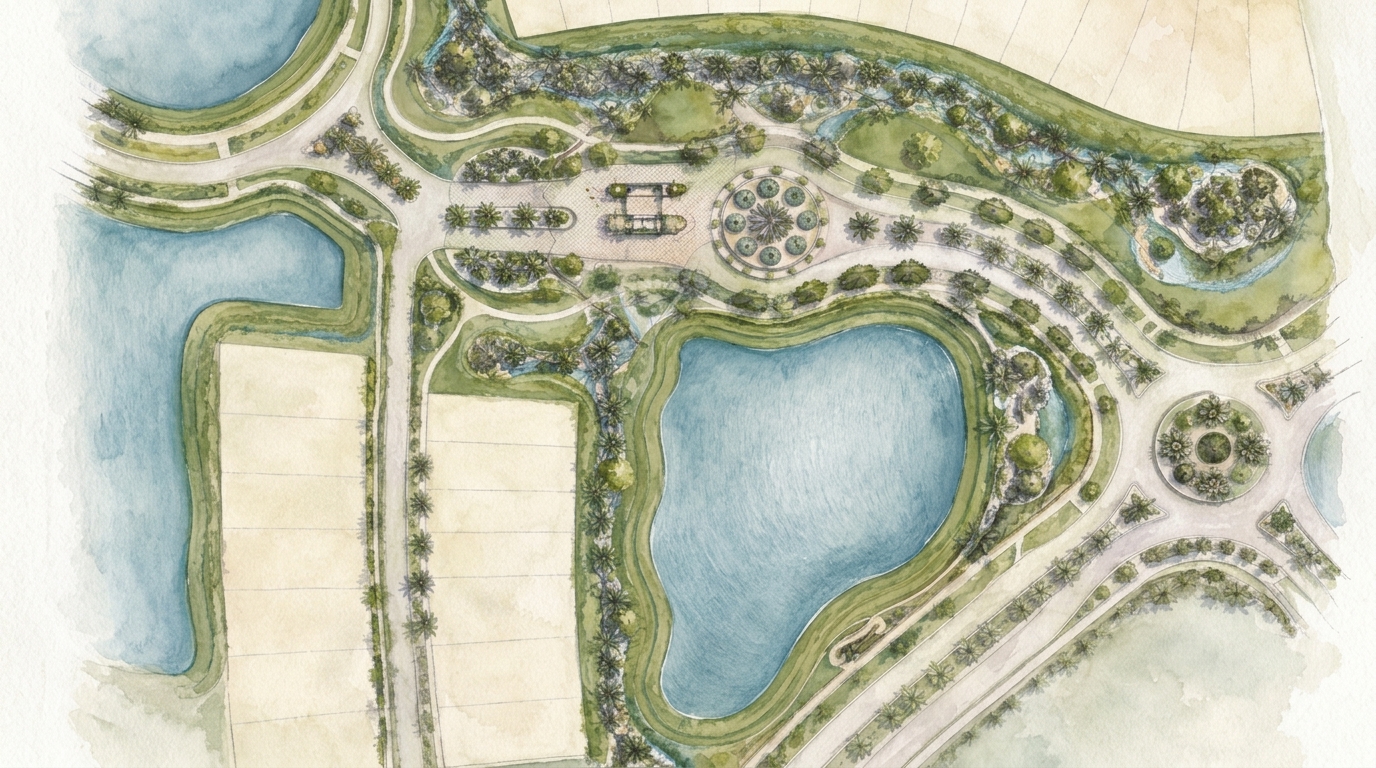
It was about making the place's identity visceral. It was about making the community vision distinctive (Memorable, Natural, Coastal, Connected, Timeless). It was about creating a luxurious texture with the materials palette (natural stone, teak and rope, honed shellstone, sea glass accents). It was about ensuring resilience with a plant palette built to thrive (Southern Live Oak, Curved Cabbage Palm, Coontie, Pink Muhly Grass, Coral Creeper). It was about introducing folks to all of this at the arrival moment with a breathtaking entry monument, branded wayfinding, and even the amenity names.
That is amenity center landscape design at full scope. That is amenity center design done the way it should be.
When the identity is right, buyers feel it before they can name it. They bond with it before a deposit is ever sent.
There's a huge difference between planting plants and creating an environment where people feel grounded and connected to their world.
The Brochure Shoot Should Still Be True In Year Three
Here's the part developers forget: the amenity center you photograph on opening day is not the one residents live with in year three.
Remember that broken splash pad and the weather-worn barbecue at Palmer Ranch? That is what happens when nobody designs for the years after the ribbon-cutting. Left alone, amenities drift. A maintenance crew gets told to "add color" and reaches for the same bulk-discount material at the local nursery, and the clean, intentional entrance you paid for turns into a lackluster structure by the third summer.
We don't hand you a rendering and vanish. We stay in the field, catch the drift early, and hold the contractors accountable, because amenity center design is something that also evolves and matures with time — and not something that deteriorates.
Built For Florida Sun, Salt, And Many Summers To Come
Code-minimum planting looks bad the day it goes in and even worse when all the mulch gets washed away. Then somebody pays to replace it (you, under warranty, or the HOA out of reserves).
Palmer Ranch sits in Sarasota County, and amenity center design in Sarasota County has to answer to real Gulf Coast conditions: the heat, the salt drift, and the way these communities actually get irrigated and mowed. We design with plants that belong here, so they flourish and deepen instead of struggle. That is the difference between amenity center landscape design built on a render and design built on thirty years of watching exactly what survives a Florida August. A plant that thrives is a plant nobody has to buy twice.
One Studio, First Sketch To Full Establishment
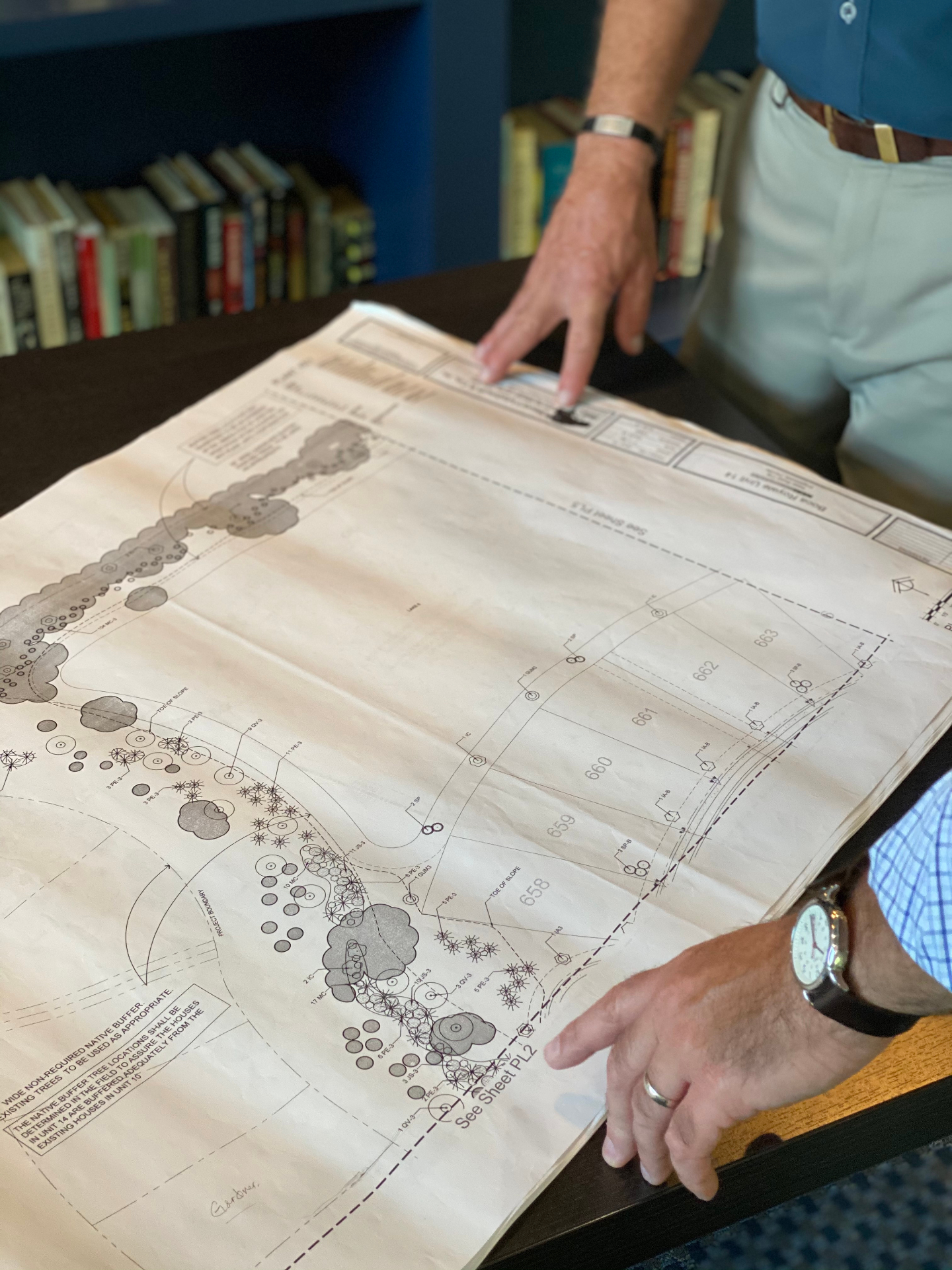
When you bring us onto a community, you get one accountable studio from the first sketch to the season the plants finally establish.
No revolving door of junior staff. No handoff gaps where the design gets lost in translation. You get senior judgment on every decision and direct access to the people making them. We work across Sarasota County and Manatee County, and we show up in the field, not just on the title block.
Developers get fewer surprises and faster delivery. Boards get less to coordinate. That continuity is how amenity center design actually survives contact with a contractor.
Amenity Center Design In Florida That Means Something
Let's tie it all together.
As a developer, one of the best things you can do to justify your price point is by filling every buyer touchpoint with value.
High-end buyers will pay the asking price — but you have to deliver on the promise. If you skimp, your brand reputation will suffer, and it will eventually catch up in lower share prices, negative reviews, claims, and more.
Great amenity center design in Florida, done right across Sarasota County and Manatee County, is what turns buyers into believers.
If you're rethinking the amenity package on your next community, now is the time. Start the conversation with us, or explore our work and see what it looks like when the amenity center is the reason people remember your brand.