Florida Native Plants And Flowers: What Actually Belongs Here
People ask me all the time what the difference is between a plant and a flower, usually right before they tell me they just want "something with color." Here's the honest answer: a flower is just the part of a plant that handles reproduction, the bloom. So every flower belongs to a plant, but plenty of plants never put on a showy flower at all. Some of the toughest natives I design with, muhly grass, coontie, saw palmetto, carry a whole landscape on structure and texture without a single bright petal. Miss that, and you end up with a bed that screams for two weeks a year and looks thin the other fifty.
That's the thing to understand about Florida native plants and flowers: they're really one toolkit with two jobs, the bones and the color, and good design uses both on purpose. Florida has more than 2,800 native species, and they ask for less water, less fertilizer, and far less fussing than the imports everyone reaches for, because they already belong here. The right Florida native plants and flowers aren't a compromise. They're the upgrade. What changes is matching them to the job.
Best Florida Native Plants And Flowers For Master-Planned Communities
In a community, a plant has to survive a maintenance crew that wasn't in the room when we designed it, look intentional across hundreds of acres, and do it on an HOA budget. That rules a lot of pretty things out and rules these in. Tickseed, the state wildflower, throws mass yellow color and reseeds itself. Black-eyed Susan and blanket flower are nearly impossible to kill. Sunshine mimosa is a pink-flowered groundcover that fixes its own nitrogen and can replace thirsty turf. Coontie gives you bulletproof green structure, and firebush shrugs off heat and humidity all summer.
These still read designed in year ten, which is the whole game. They also quietly cut the one line item every board watches, because natives drink a fraction of the water a sodded, imported palette demands, so the landscape that looks richer actually costs less to keep alive.
Best Florida Native Plants And Flowers For Resorts And Amenity Spaces
A resort landscape has one job: make you feel like you've arrived somewhere alive. That's movement, scent, and wings. Firebush and scarlet sage pull in hummingbirds all day. Butterfly milkweed and swamp milkweed turn a planting bed into a monarch and queen theater. Blazing star sends up tall purple spikes for vertical drama, and American beautyberry drips with bright purple fruit by late summer.
None of it is shipped in from somewhere else to die in its second season. Guests remember a place that feels like Florida instead of a hotel that could be anywhere, and native planting is how you get there. We layer it too, low groundcover into mid-height bloomers into canopy, so the arrival unfolds instead of sitting flat, with something in flower in every season a guest might visit.
Best Florida Native Plants And Flowers For A Private Residence
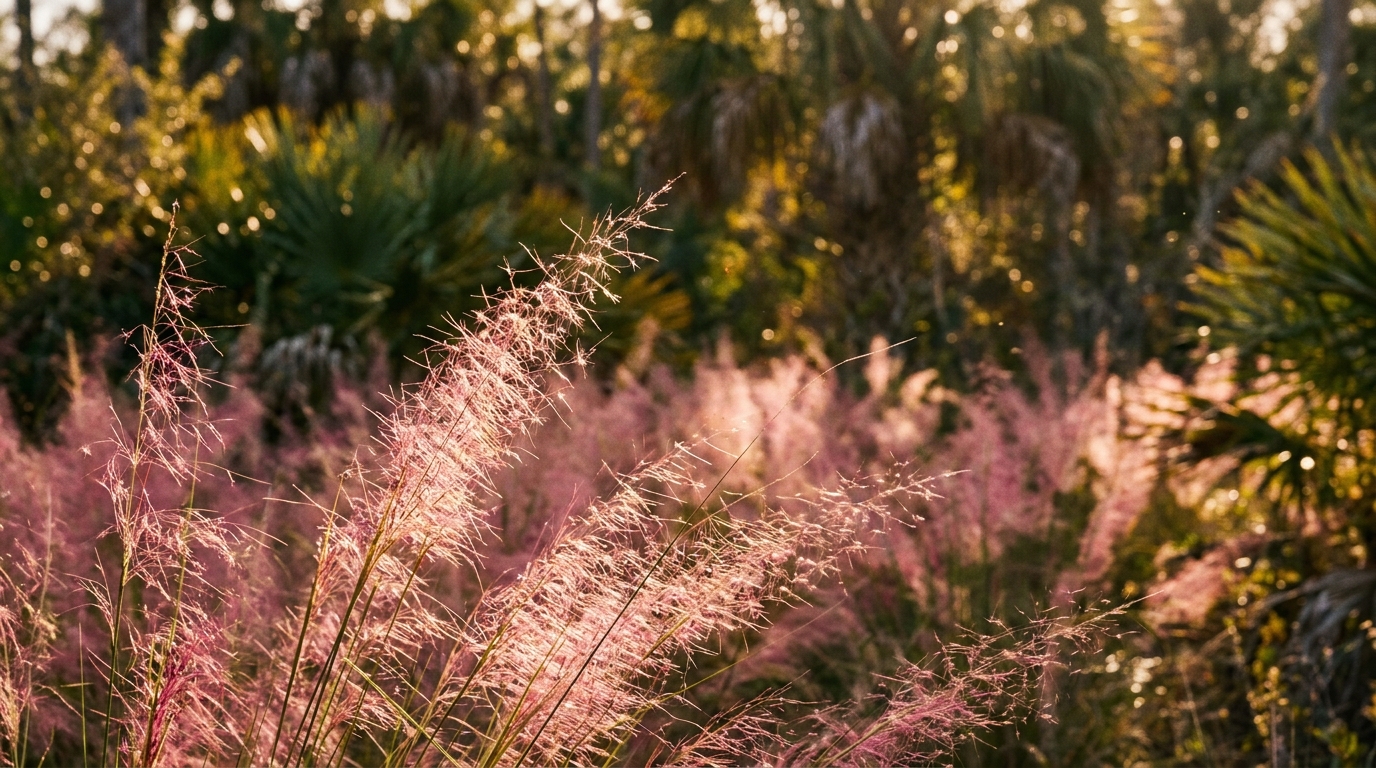
At a private home, the luxury is restraint. The wow can't become a weekend chore. Coontie works as living sculpture, slow and ancient and almost maintenance-free. American beautyberry and blazing star carry the seasons. Muhly grass throws that pink haze every fall that makes people stop the car.
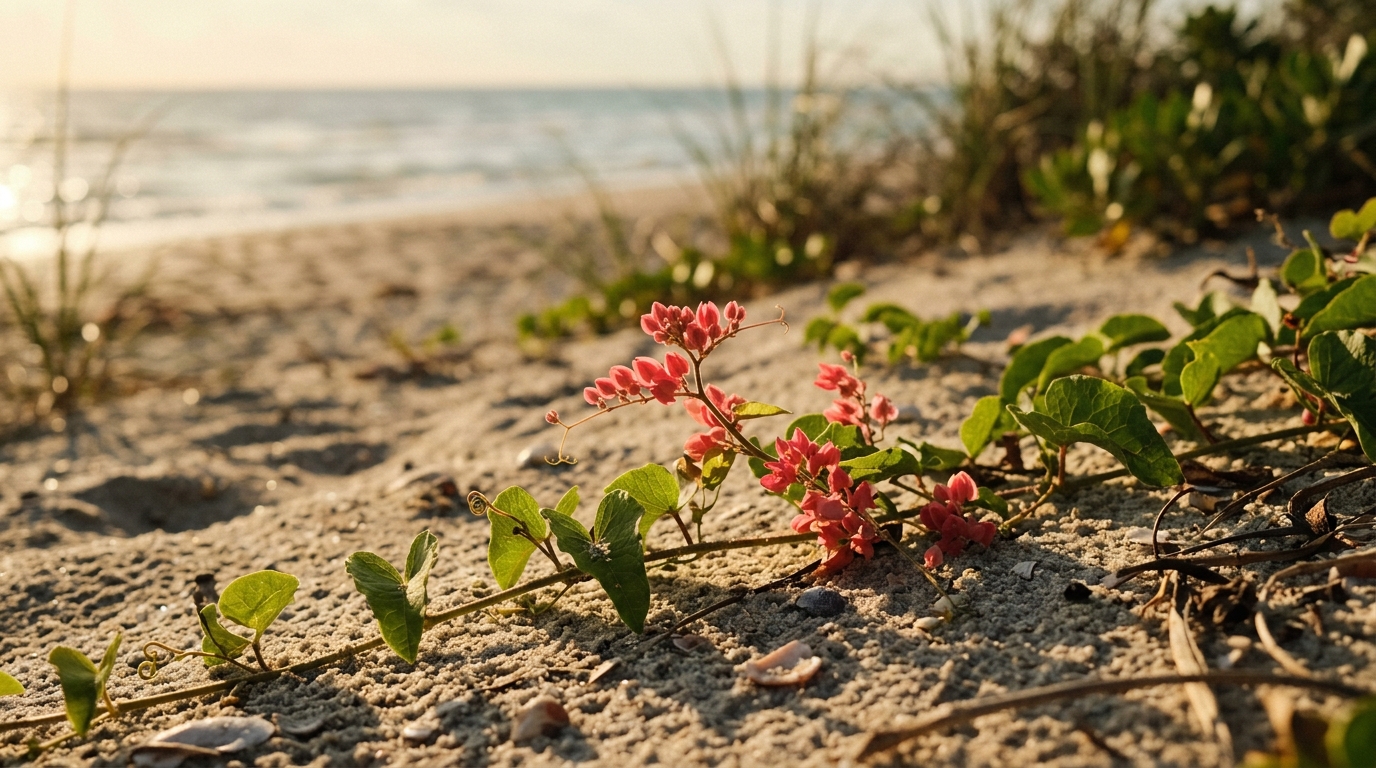
On coastal lots, dune sunflower blooms most of the year and laughs off salt. The move isn't a fruit-salad bed of every color at once. It's targeted color set against green, because a bright flower only reads as striking when there's something calm around it to read against.
It also means designing the plants around how you actually live outside, framing the pool, softening a fence line, scenting the walk to the front door, so the yard becomes another room instead of a view you only mow.
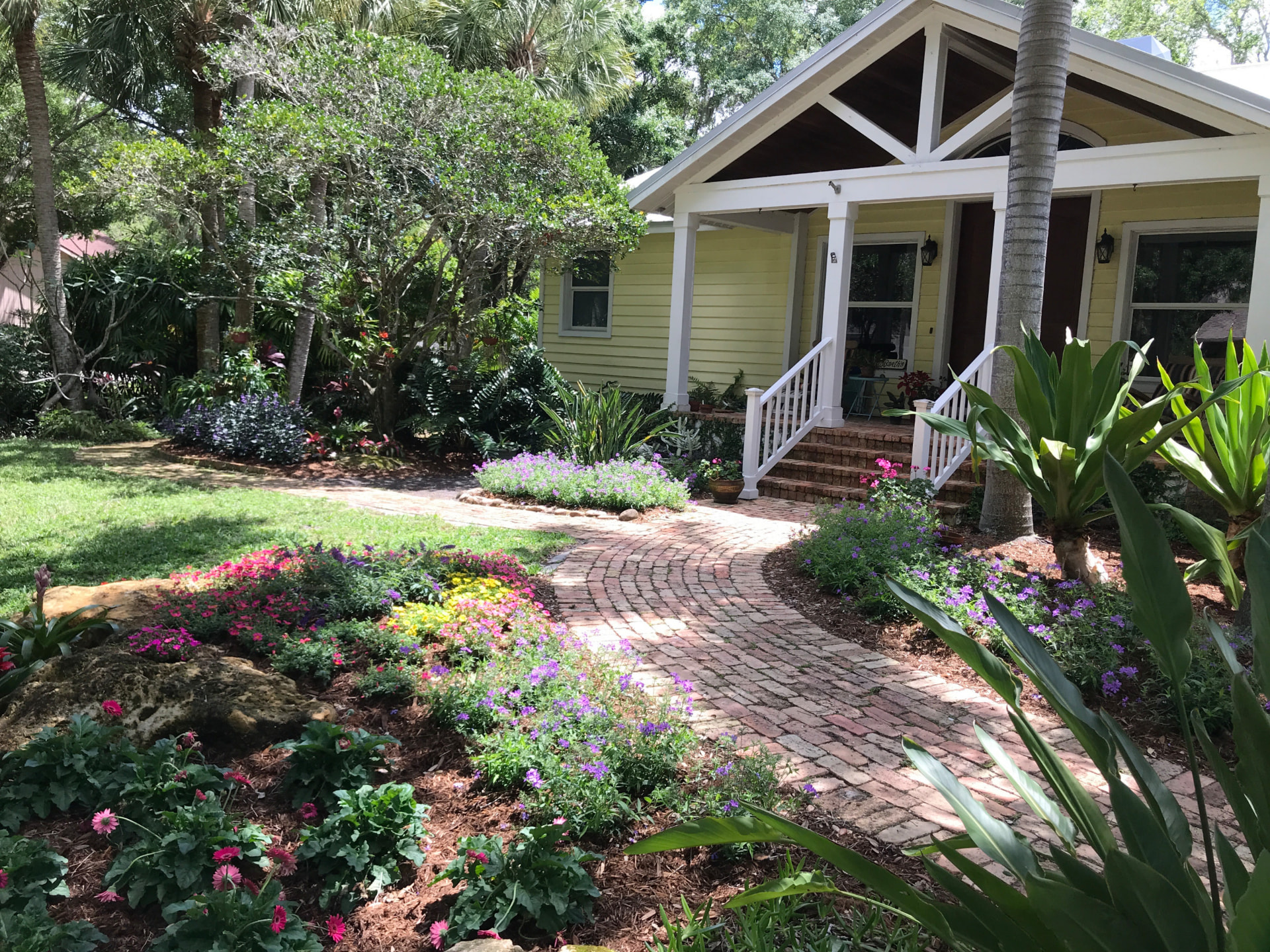
Build With The Best Florida Native Plants And Flowers For Your Site
Whether it's a 3,000-acre community, a resort arrival, or your own backyard, the answer starts with what already thrives on this coast. We build with Florida, not on top of it, because the right Florida native plants and flowers give you more beauty for less water, less money, and less worry. If you want a landscape that belongs here, start the conversation with us, or explore our work and see what it looks like in the ground.
Frequently Asked Questions About Florida Native Plants And Flowers
The ones people fall for fastest are the tough, high-impact natives: tickseed (our state wildflower), firebush, coontie, muhly grass, American beautyberry, blanket flower, and dune sunflower. They're popular for good reason. Every one of them handles Florida heat, needs little water once established, and earns its spot either with color, with structure, or by feeding pollinators. Popular here usually means it survives, which is exactly the filter you want when you're choosing what to plant.
Fall is one of the best planting windows we get. The air cools, the brutal heat backs off, and roots have months to establish before next summer tests them. Right now I'd put in trees and shrubs first, then hardy natives like coontie, firebush, muhly grass, and tickseed. Planting in the fall means less watering to keep things alive and a much stronger plant by the time hurricane season and real heat come back around.
Truly nonstop is rare, but a few natives come close. Dune sunflower blooms nearly year-round in warm coastal spots. Scarlet sage and firebush flower from spring deep into fall, and blanket flower keeps going through the warm months. The honest approach isn't chasing one magic plant that never quits. It's layering several bloomers with staggered seasons so something is always in color while the structural plants hold the design together underneath.
Start with structure and layer color on top, not the other way around. Replace a strip of thirsty lawn with sunshine mimosa groundcover. Group milkweed and sage into a pollinator pocket instead of scattering them. Use muhly grass and other natives in drifts so they move in the wind. Cluster trees rather than lining them up. The goal is a landscape that looks effortless and intentional at once, which is exactly what native plants, placed well, are built to do.
More Field Notes
Hurricane-Proof Landscape Design: What Actually Survives A Florida Storm
Why Hardscape Design Is Really Half The Landscape
Why Amenity Center Design Makes or Breaks Your Community
5 Essential Benefits Of Working With A Community Landscape Designer
How a Land Planner Reads Like a Landscape Architect
Planting Architecture & Elevations: Where Vision Meets Vegetation